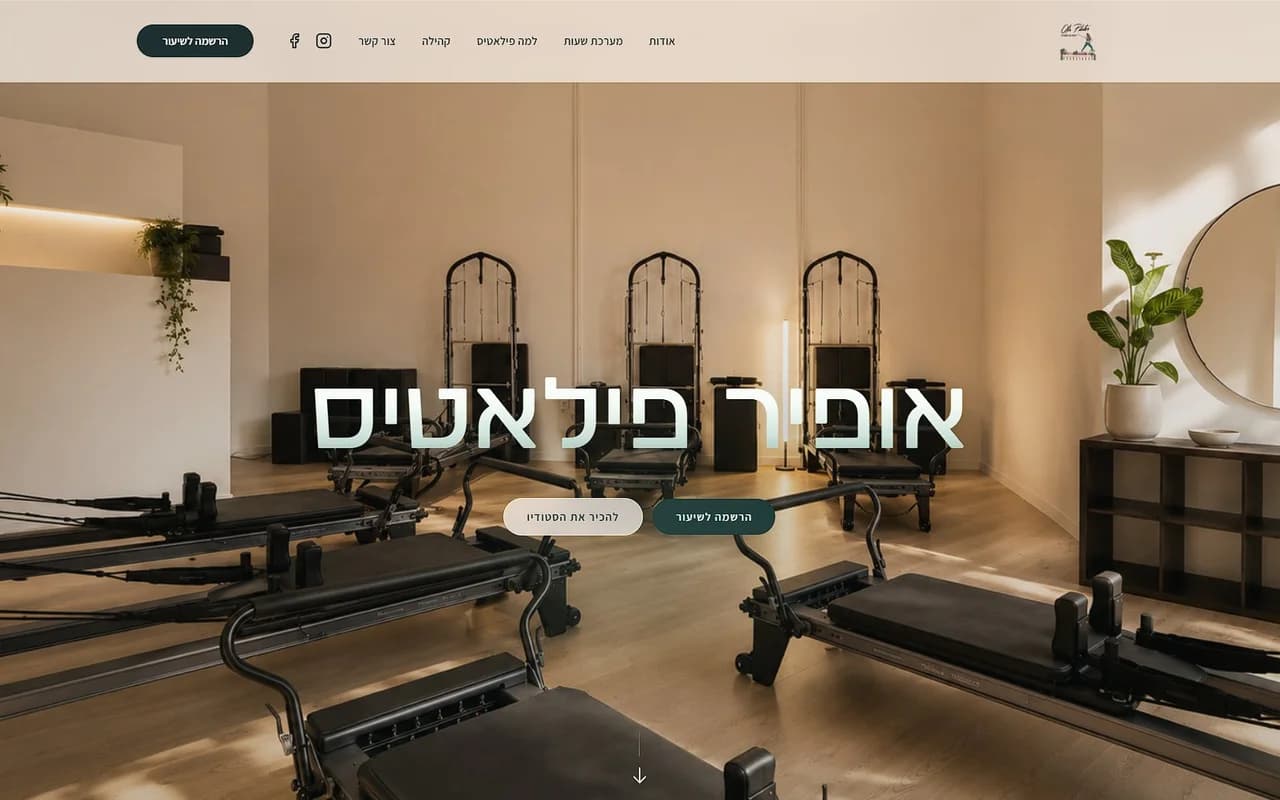
Ofir Pilates
wellness · booking
A boutique reformer pilates studio in Yokneam with a calm brand feel and a direct path to booking.
Independent website design & development
Based in Israel. Working worldwide.
I’m Yuv. I design and build distinctive websites for businesses that care how they show up. Your character, made clear. Your next customer, given a reason to choose you.
Tell me about your projectSelected work / 01–06
wellness · booking
A boutique reformer pilates studio in Yokneam with a calm brand feel and a direct path to booking.
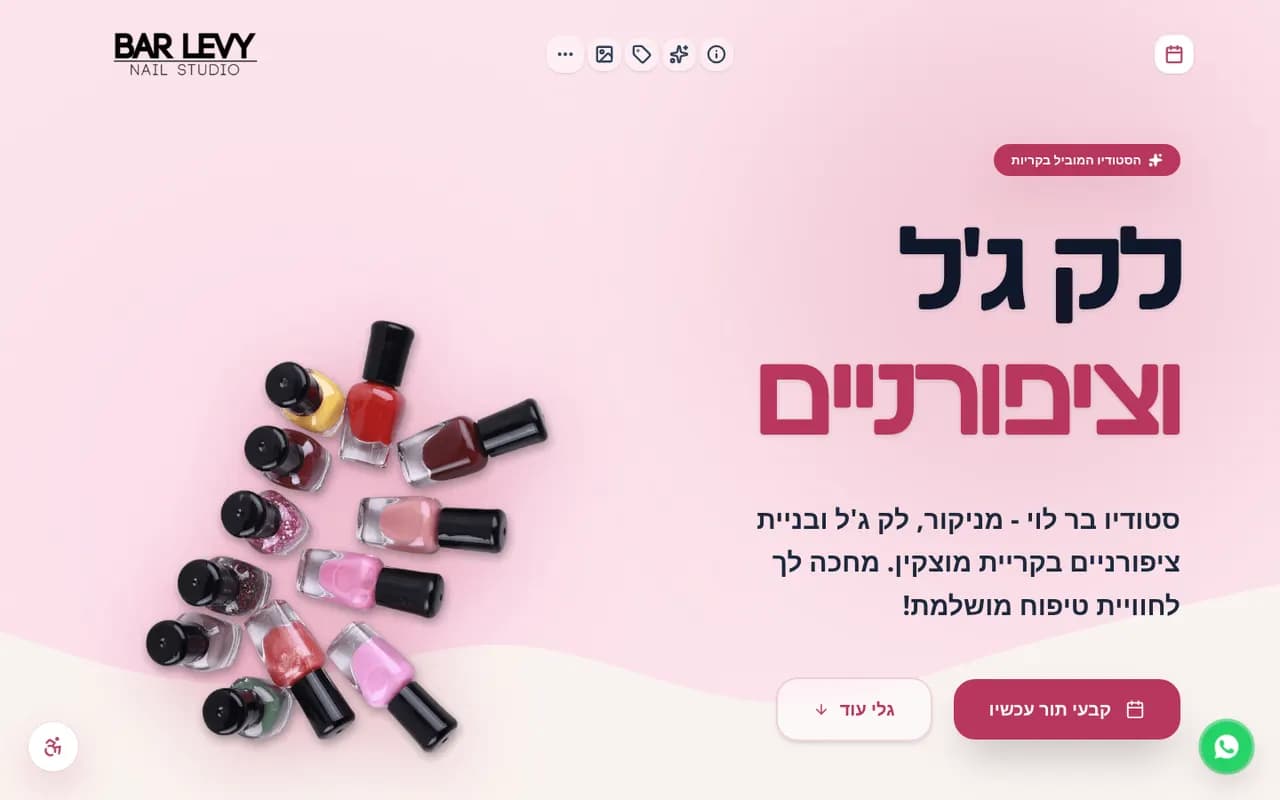
beauty · appointments
A nail studio website with sharp presentation and accessible appointment booking from the first screen.
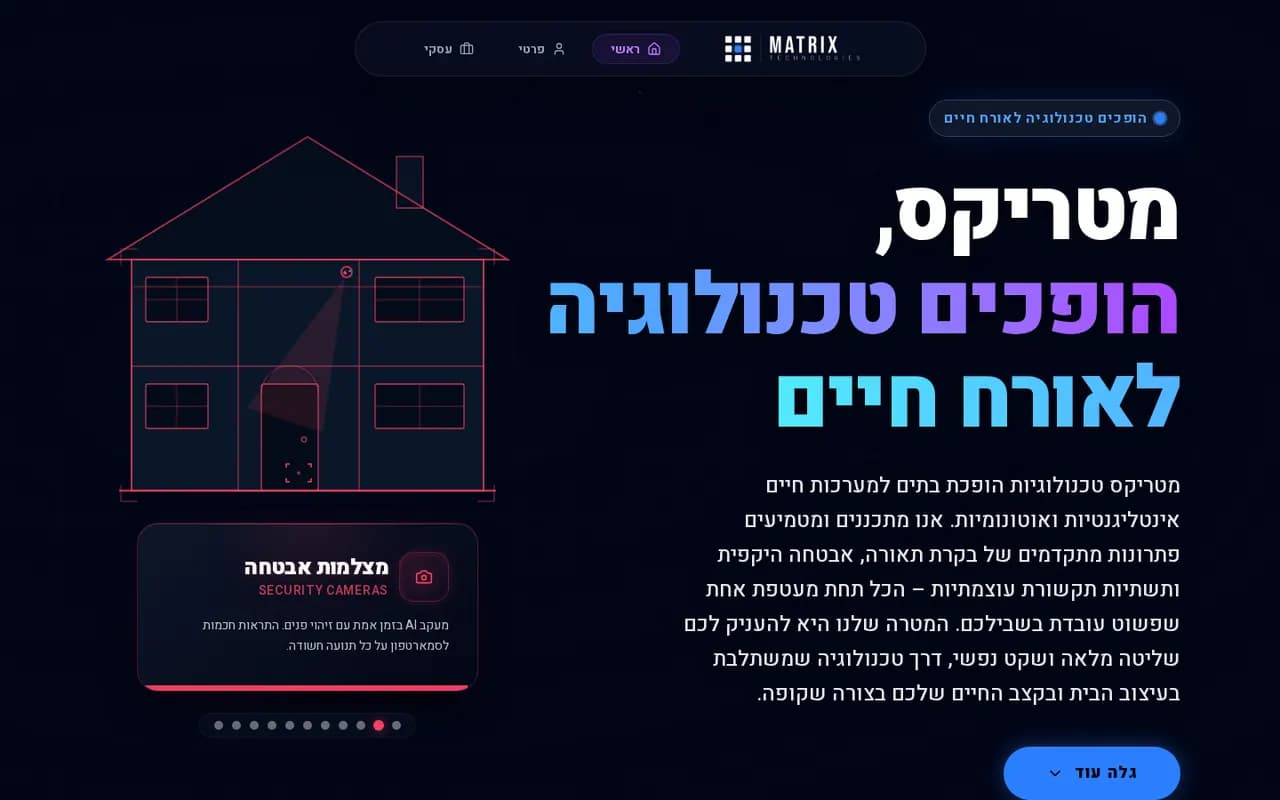
smart home · security
A smart home, security, and networking website with a clear technical message and darker brand presence.
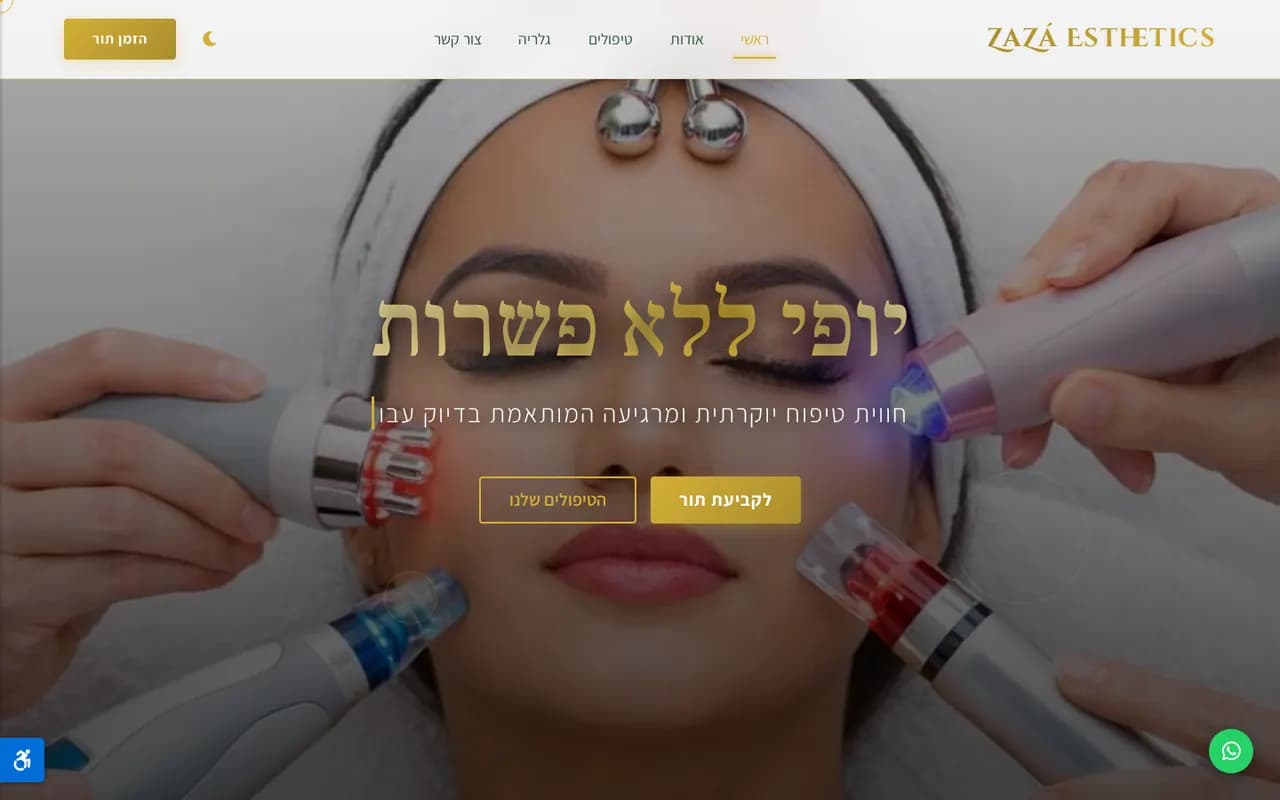
esthetics · treatments
An aesthetics and treatments site with a visual hero, elegant content, and a natural flow into booking.
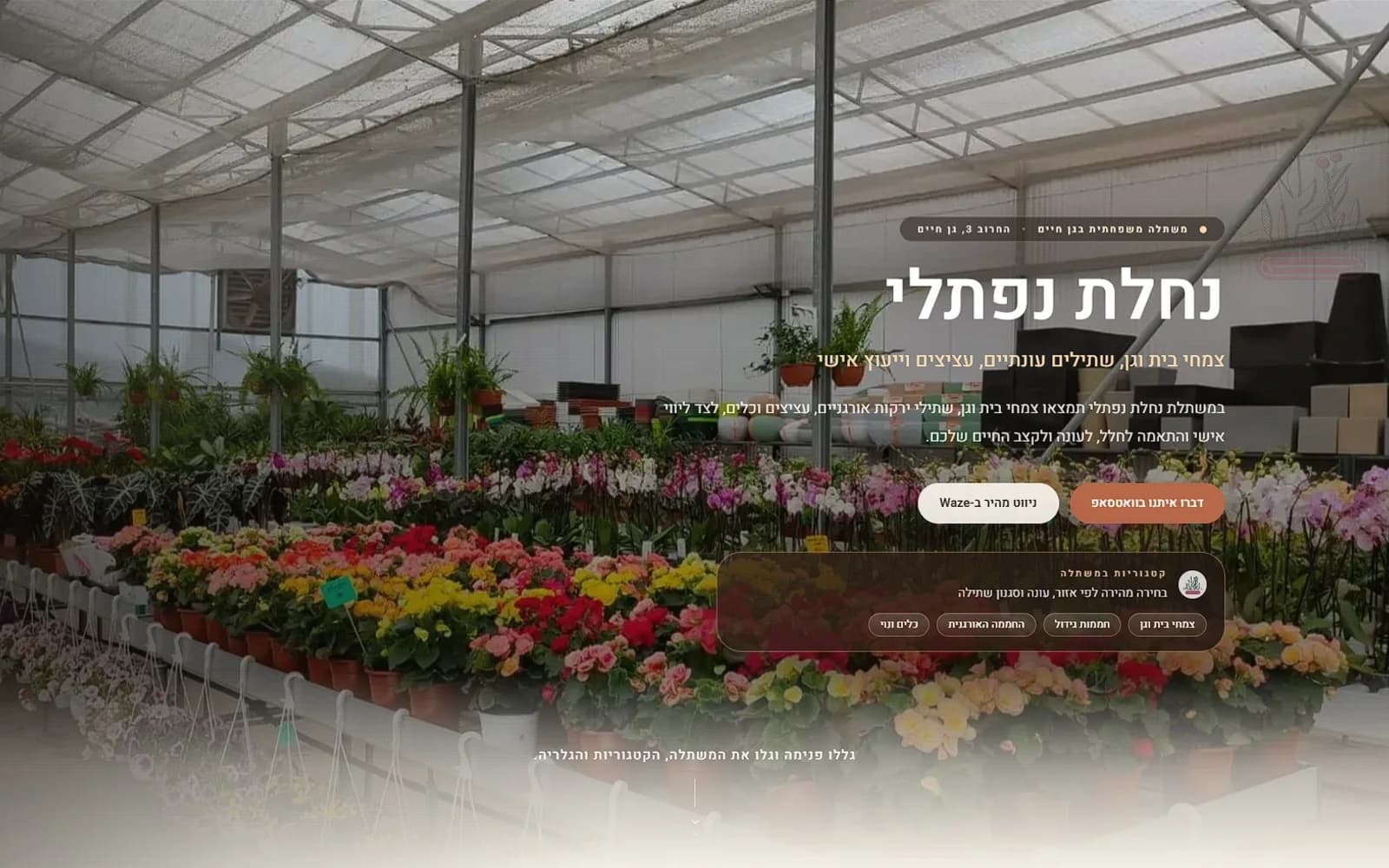
nursery · local business
A family nursery website with warm language, a rich gallery, and a clear path to contact and navigation.
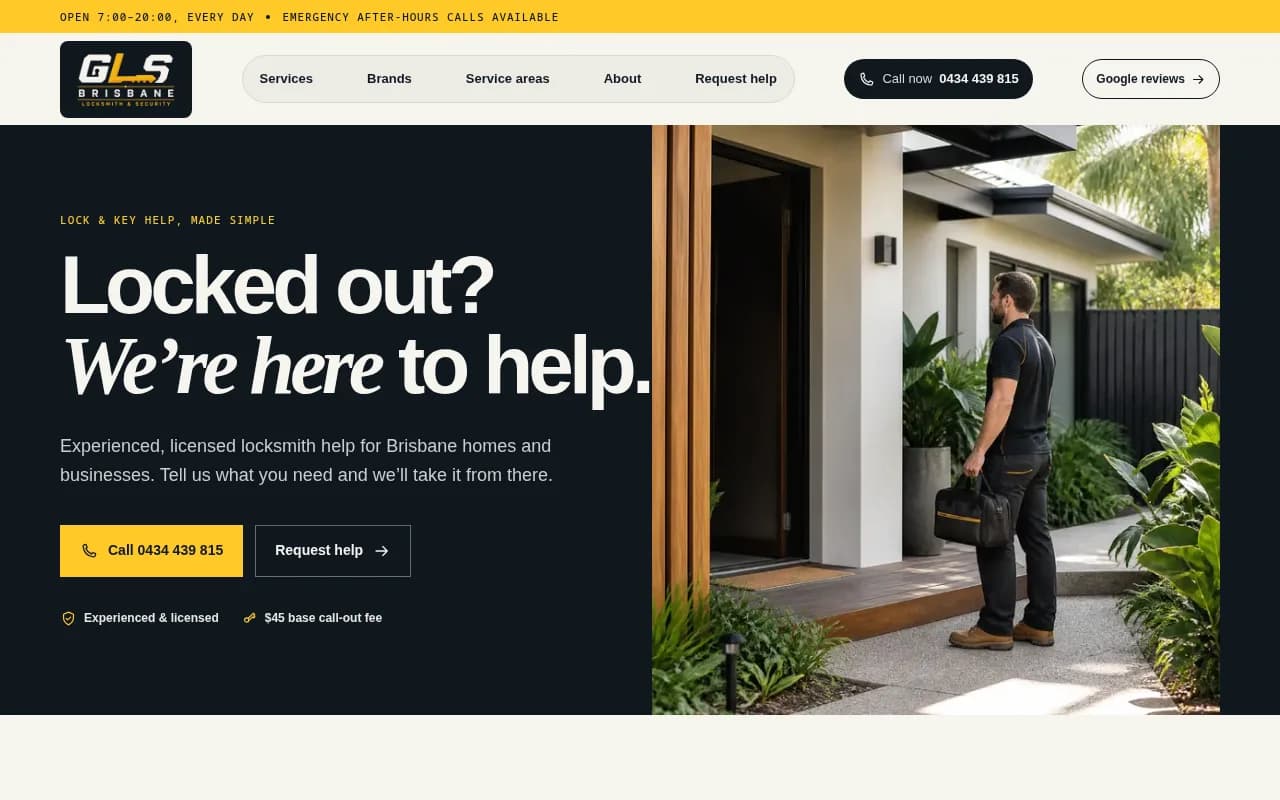
locksmith · lead generation
A mobile locksmith website for Brisbane with fast paths to call, request help, and explore local service coverage.
What I build
Before someone messages, they look you up on Google. A good website helps them understand what you do, decide if you are right for them, and know how to start.
Tell me about your projectA visual language built around your business. Personal design, clear content, and a considered path from first impression to inquiry.
One place to see enquiries, update content, and keep the important details in order.
Forms, payments, and connections to the tools you already use, where they save you time.
Show up. Pages that answer what people are actually searching for.
Make sense. Services, work, and process without the usual filler.
Make it easy. A form, WhatsApp link, or phone call, whichever fits.
The person behind the pixels
I’m Yuv, an independent full stack developer working with business owners in Israel and around the world. I bring design and development together so your site feels like your business and works in everyday use.
Sometimes that means a landing page and a form. Sometimes it means an admin panel, payments, or a connection to a system you already use. We start with what will actually help.
I explain the options, build what we agree on, and keep an eye on what the site might need later.
Talk to me about your siteWe talk about the business, the customers, and what you want the site to do.
We organise the content, build the site, and connect only the tools that are useful.
We launch a working site, test the important parts, and leave you with a foundation you can build on.
Before your next project
A premium website gives people a clear sense of your standards. Here is how design, content, and the inquiry experience work together to make that impression credible.
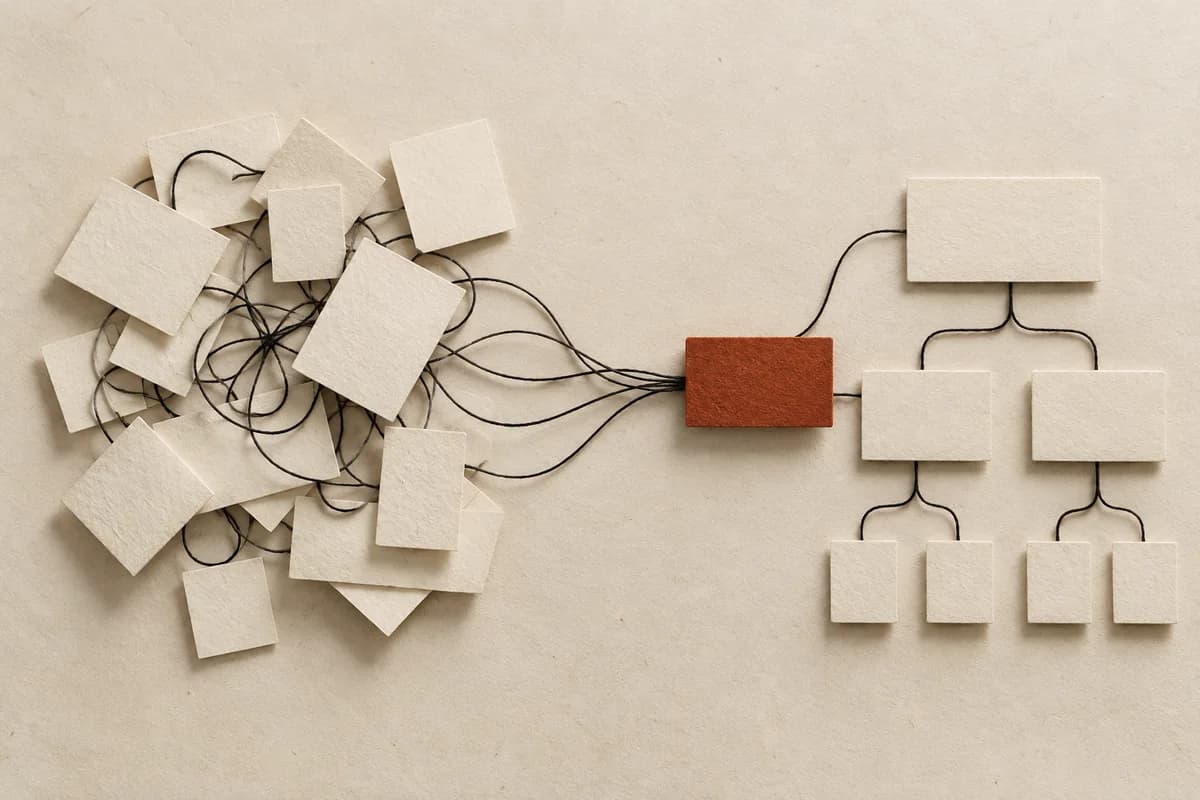
A redesign changes how a site looks, but it can also change how search engines find it. Preserve useful URLs, content, and search signals while giving the business a better website.
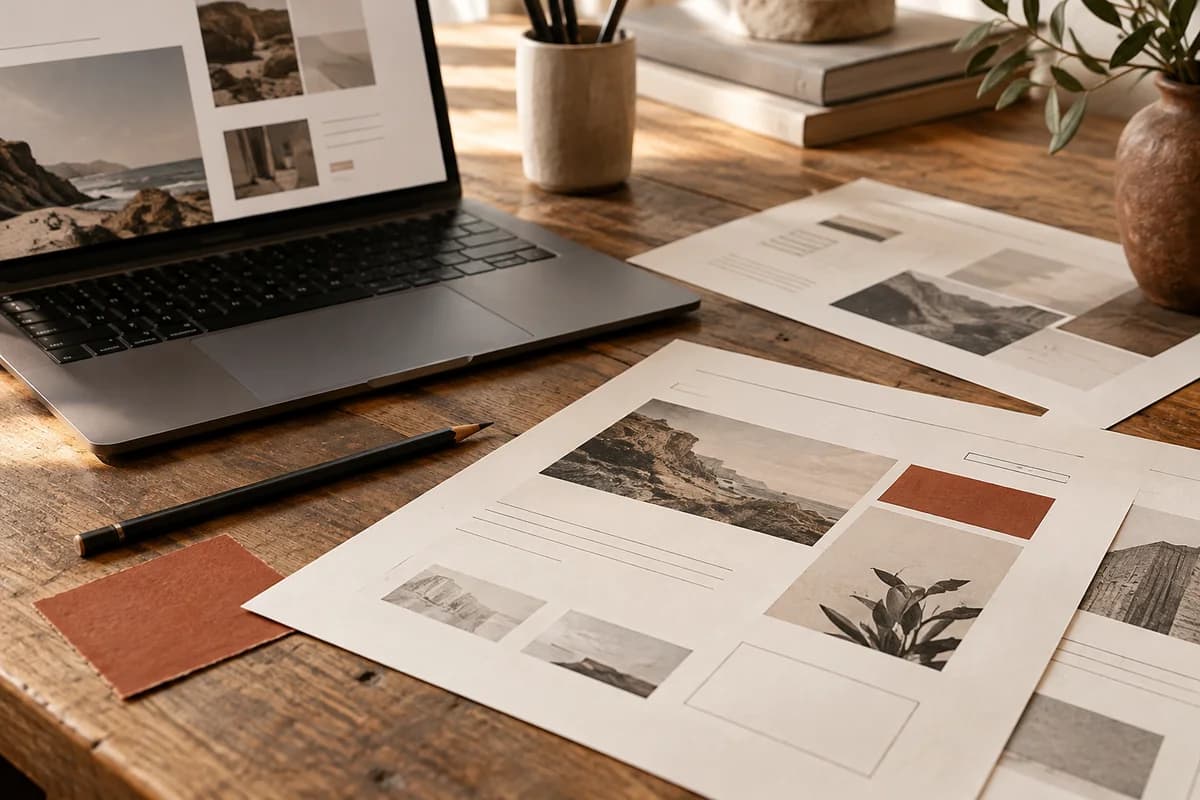
You do not need to share an office to build a considered website. A clear brief, useful feedback, and explicit decisions make remote design and development easier to manage.
Have something in mind?
Tell me about the business, the idea, and what you want to change. We’ll work out what your website needs to represent you properly.